



Article Publish: Why We Trust Instagram More Than Ads When Choosing Where to Eat
Author: Monica Gunanto, Winny Yolanda Chi, Eaton Eka Putra Yahya, Tiurida Lily Anita, Farah Levyta
Let’s be honest—when was the last time you chose a restaurant because of a billboard?
If you’re Gen Z, the answer is probably never.
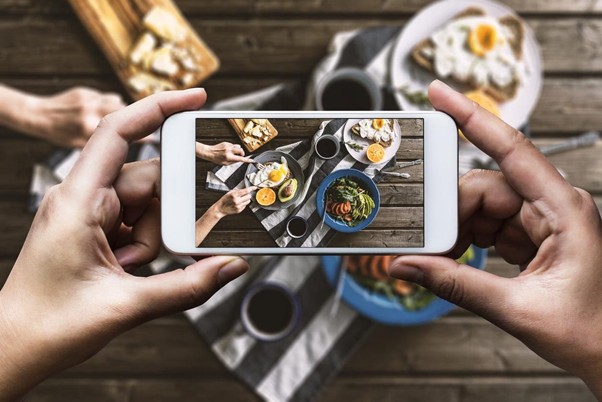
Today, food decisions are made on Instagram, TikTok, and YouTube. One scroll through mouth-watering photos, honest reviews, or a short food vlog is often all it takes to decide where to eat. This is exactly where User-Generated Content (UGC) comes in—and it’s changing the way we choose restaurants.
What Is User-Generated Content, anyway?
User-generated content is basically content created by real people, not brands. Think customer reviews, food photos, TikTok food hunts, Instagram stories, or even casual “this place is underrated” posts. Unlike traditional ads, UGC feels authentic, relatable, and honest—which makes it way more powerful.
Research shows that people trust UGC more than official restaurant promotions. Why? Because it feels real. When someone posts their actual dining experience, it builds credibility and emotional connection. You’re not just seeing food—you’re imagining yourself there.
Trust Is the Real Game Changer
Trust plays a huge role in how UGC influences decisions. When content feels genuine, it sparks curiosity and desire. A nicely plated dish, cozy ambiance, or positive vibe instantly makes us think, “I want to try that.”
Once trust is built, UGC becomes our main source of information. Instead of Googling endlessly, we rely on visuals, short reviews, and ratings. It makes decision-making faster and less stressful—perfect for our fast-paced, scroll-heavy lifestyle.
Why Visuals Matter More Than Long Reviews
For Gen Z, visuals speak louder than words. Studies show that photos and videos have a stronger impact than text-based reviews. A 15-second TikTok showing the food, the crowd, and the atmosphere can be more convincing than a paragraph-long review.
This explains why Instagram and TikTok dominate restaurant discovery today. They don’t just show what the food looks like—they show the experience. And that’s what really sells.
From Scrolling to Dining
UGC doesn’t stop at inspiration. It also influences:
- How we compare restaurants
- How confident we feel choosing one
- How satisfied we are after dining
When our real experience matches what we saw online, satisfaction increases. And what happens next? We post about it—creating new UGC and continuing the cycle.
What This Means for Restaurants
For restaurants, this is huge. Managing and encouraging UGC is no longer optional—it’s essential. Restaurants that actively engage with customers, repost user content, and focus on visual appeal have a much better chance of staying relevant.
In a world where people trust people more than brands, UGC is the new word-of-mouth—just digital, faster, and way more visual.
So next time you’re choosing where to eat, remember:
You’re not just following a trend—you’re part of a powerful digital influence loop.
Comments :